CFTC Sues Utah to Block State Case Against Kalshi
The Commodity Futures Trading Commission is suing Utah and Utah Attorney General Derek Brown to stop the state from imposing gambling laws on prediction markets.

On this page
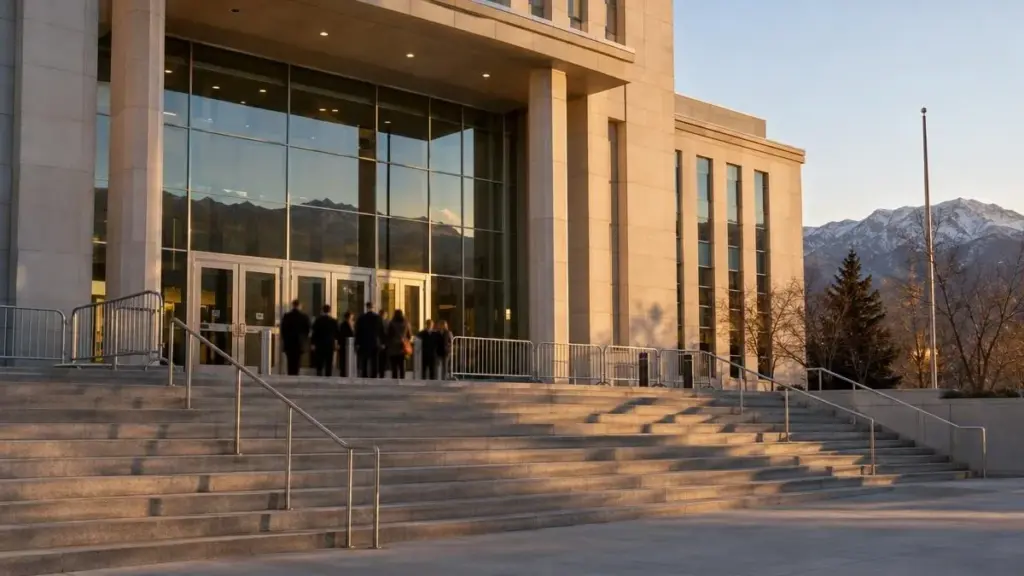
The Commodity Futures Trading Commission has sued Utah and Utah AG Derek Brown to stop the state from enforcing its gambling laws on Kalshi and the other federally regulated prediction markets. The Commodity Futures Trading Commission (CFTC) filed the complaint on 26 October 2026 in the US District Court for the District of Utah and announced it the following day.
What the CFTC Is Asking For
The complaint seeks a declaration that Utah’s gambling laws are preempted to the extent they are applied to trades on CFTC-designated contract markets. It contends that the event contracts which Utah is seeking to regulate are swaps within the meaning of the Commodity Exchange Act and that the operation of such contracts is thus the province of the CFTC.
CFTC Chair Michael Selig stated the Commission has a duty “to defend its exclusive jurisdiction over commodity derivatives”. Kalshi is not a party to the federal case.
Utah’s Case Against Kalshi
Utah sued Kalshi, its affiliates, and two of the Susquehanna trading firms on 20 October 2026. The state is alleging illegal gambling operations, and the complaint goes so far as to describe Kalshi as “a back alley gambling den”.
Utah has estimated that Kalshi-related businesses took in between $30.6m and $61.2m in fees from Utah accounts. The state is looking to recover in the region of $60m.
The Utah/Kalshi dispute isn’t new. Kalshi took action in February 2026 when it sued Governor Spencer Cox and Attorney General Brown of Utah in federal court following public criticism from both of them of prediction markets. Cox has referred to the markets as gambling, and Selig has indicated that the CFTC will respond to any state challenges in court.
Utah Joins a Long List of States
Utah is the tenth state the CFTC has taken to court over prediction markets. The complaint names earlier preemption actions against states including Arizona, Connecticut, Illinois, Kentucky, Minnesota, New Mexico and New York.
The agency’s case against Minnesota, filed in May, produced an injunction about 10 weeks later. On the other side, more than 40 state attorneys general have signed a letter disputing the CFTC’s proposed rule on prediction markets.
The CFTC is also working on new rules. It has sent two prediction market rulemakings to the White House for review. One would define event contracts as swaps, and the other addresses casino-style products.
What the Courts Have Said So Far
Federal appeals courts are split on whether states can regulate these contracts. The Third Circuit ruled for Kalshi against New Jersey, while the Ninth Circuit ruled for Nevada. On 25 September 2026, the Sixth Circuit ruled that Ohio and Tennessee can enforce their gambling laws against Kalshi’s sports contracts.
New Jersey has asked the Supreme Court to review its case. If the Court takes it, the ruling would apply in every state, including Utah.
What It Means for Traders in Utah
The CFTC’s filing does not change what Utah residents can trade on its own. Access will depend on how the courts rule in the state and federal cases, and on any orders that follow.
Our Kalshi review explains how the exchange works and where its markets are restricted.
Event contracts carry a risk of loss. Prices reflect traders’ views and are not forecasts from Kalshi or BettingVerdict.