Warren and Curtis Press Kalshi and Polymarket on Election Market Safeguards
The state of Utah has asked Kalshi and Polymarket to share how they stop insider trading and market manipulation in election markets. The letter was sent right before the November 3, 2026 midterms, when the answer is expected.

On this page
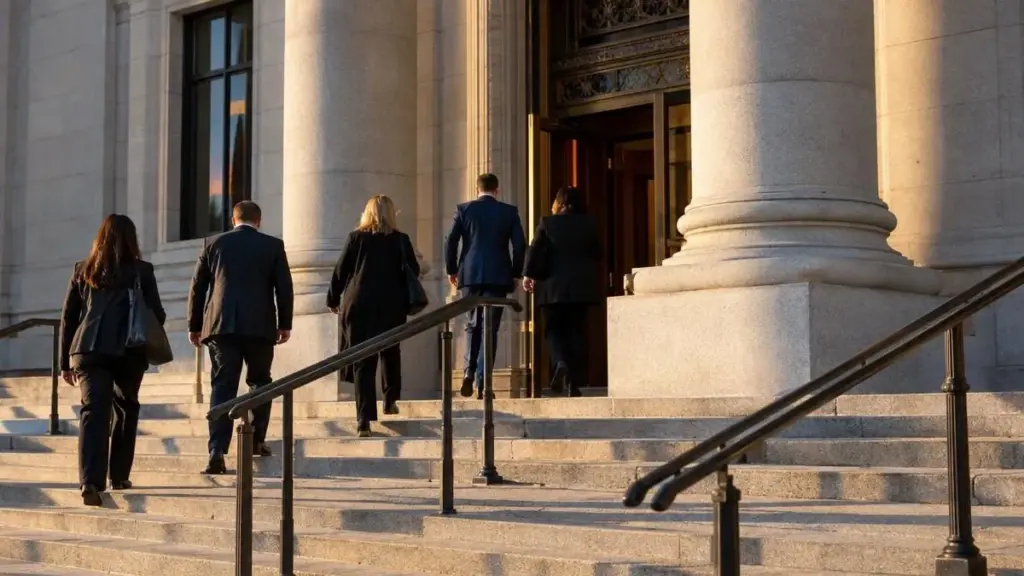
Senators Elizabeth Warren (D-Mass.) and John Curtis (R-Utah) have asked Kalshi and Polymarket to explain how they stop insider trading and market manipulation in election markets. Their letter went to Kalshi CEO Tarek Mansour and Polymarket CEO Shayne Coplan days before the November 3, 2026 midterms, and it asks for written answers by that date.
The bipartisan request was first reported by UA.News, citing The Hill. The Senate Banking Committee’s minority office published the full letter on October 29.
What the Senators Asked
The senators asked both companies what they do, beyond checking Federal Election Commission filings, to keep campaigns and other insiders out of election contracts. That group includes candidates, campaign staff, election officials, and pollsters.
They also asked for numbers:
- suspected violations stopped before a trade
- violations found after a trade went through
- cases of election-related insider trading referred to the CFTC
The senators wrote that finding “isolated instances of improper trading” does not show the markets are protected.
The Cases Behind the Letter
The letter points to candidates who traded on their own races on Kalshi in 2025 and in April 2026. In the senators’ view, those cases raise the question of how much improper trading has gone unnoticed.
It also cites a Fortune report on Polymarket’s 2024 presidential market. That report alleged that manipulation tactics touched roughly one-third of the market’s trading volume.
How Kalshi and Polymarket Responded
A Kalshi source told The Hill that the exchange already blocks candidates and campaign staff from election markets, using FEC payroll data. Kalshi has also set up an independent market integrity committee.
Polymarket did not comment right away. The letter landed as Polymarket opened an internal review of well-timed trades on Israel’s October 27 election, made by hundreds of new accounts shortly before polls closed.
Utah Raises the Pressure
The letter came one day after Utah filed criminal charges against Kalshi. On October 28, Attorney General Derek Brown charged KalshiEX LLC, Mansour, and co-founder Luana Lopes Lara with 14 counts:
- one second-degree felony for a pattern of unlawful activity
- 12 third-degree felonies for online gambling promotion
- one Class A misdemeanor for general gambling promotion
The case rests on 12 sports trades, worth $114.87 in total, placed by an undercover state agent in September. Utah is the second state to bring criminal charges against Kalshi, after Arizona. Kalshi called the case “a crazy overreach.”
The charges followed the CFTC’s own lawsuit against Utah on October 26. That suit argues federal law blocks the state from applying its gambling laws to CFTC-regulated exchanges.
What It Means for Traders
The letter does not change any market on its own. Both platforms list election contracts for the midterms, and any new safeguards would show up in their trading rules.
Access already varies by state. Kalshi blocks election markets in Nevada and Washington, and our Kalshi review lists its current restrictions.
Our Polymarket review explains how its US exchange works and who can use it.
Our election markets page tracks the midterm contracts on both platforms.
Event contracts carry a risk of loss. Prices reflect traders’ views and are not forecasts from Kalshi, Polymarket, or BettingVerdict.